Інтерв'юThe Role of Public Policy in Ukraine's European Integration: Key Points from the Wonder Media Forum
With Inna Sovsun, Khrystyna Rybachok, Liubov Rakovytsia and Nataliia Movshovych
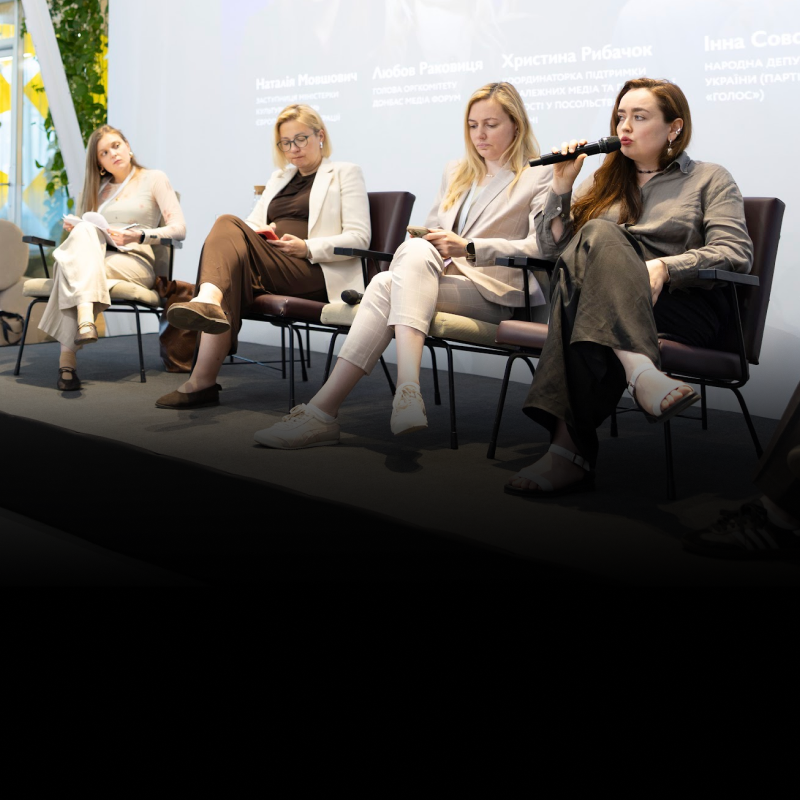
During the public day of the Wonder Media Forum 2026, held on June 5, a panel discussion took place under the title «The Role of Public Policy in Advancing Human Rights and Ukraine's European Integration». The conversation centred on the interplay between European integration, human rights, gender equality, and public policy.
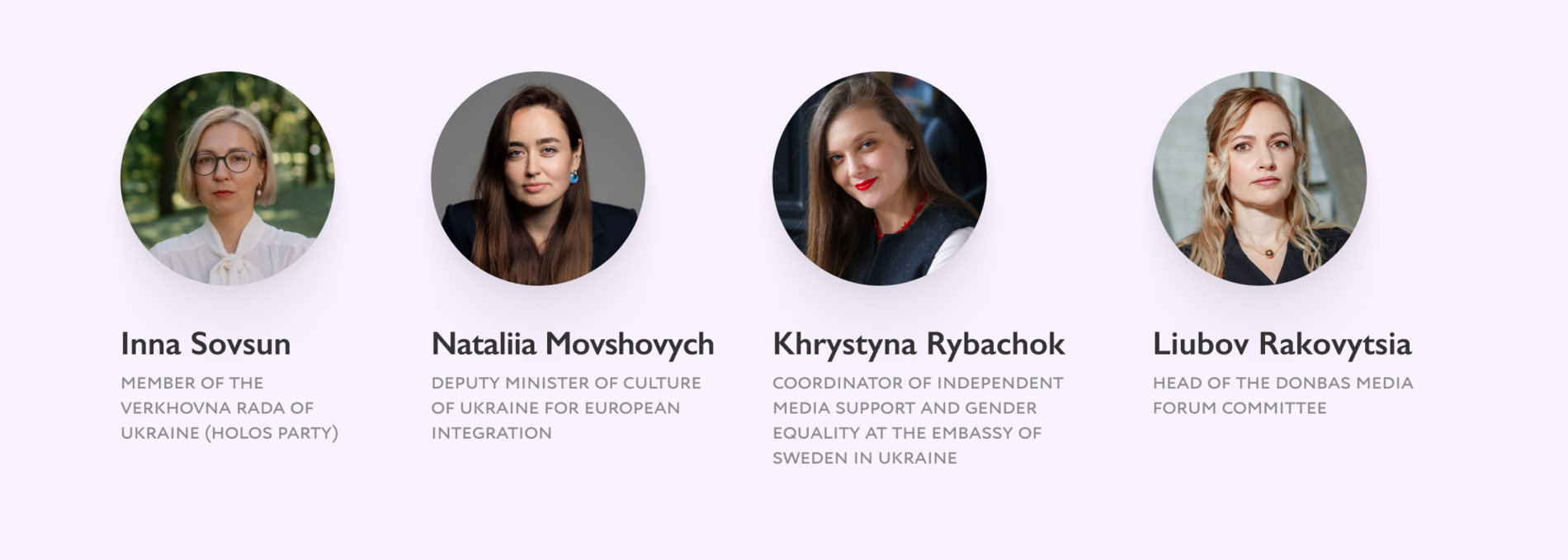
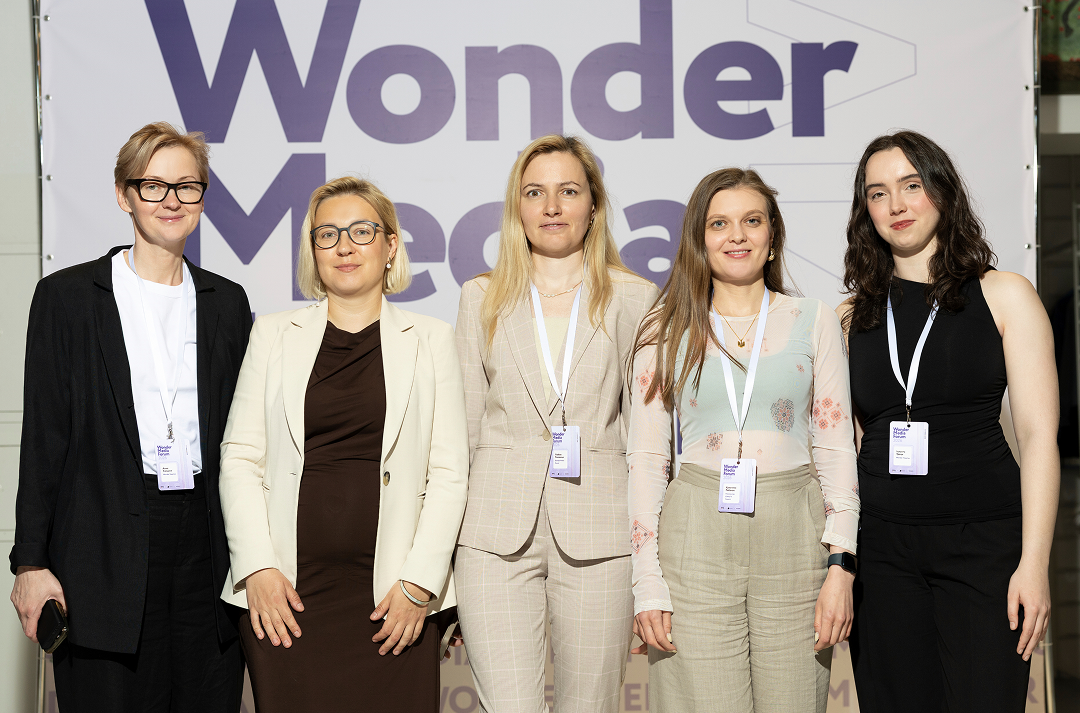
Taking part in the discussion were Member of the Verkhovna Rada of Ukraine (Holos party) Inna Sovsun, Coordinator of Independent Media Support and Gender Equality at the Embassy of Sweden in Ukraine Khrystyna Rybachok, Head of the Donbas Media Forum Committee Liubov Rakovytsia, and Deputy Minister of Culture of Ukraine for European Integration Nataliia Movshovych.
The discussion was moderated by activist and Editor-in-Chief of Wonder Media Iolanta Trots.
The Wonder Media Forum 2026 was made possible thanks to the support of the Swedish organisation RFSL, humanitarian organization People in Need, international umbrella organization ILGA-Europe, and L'Oréal Ukraine.
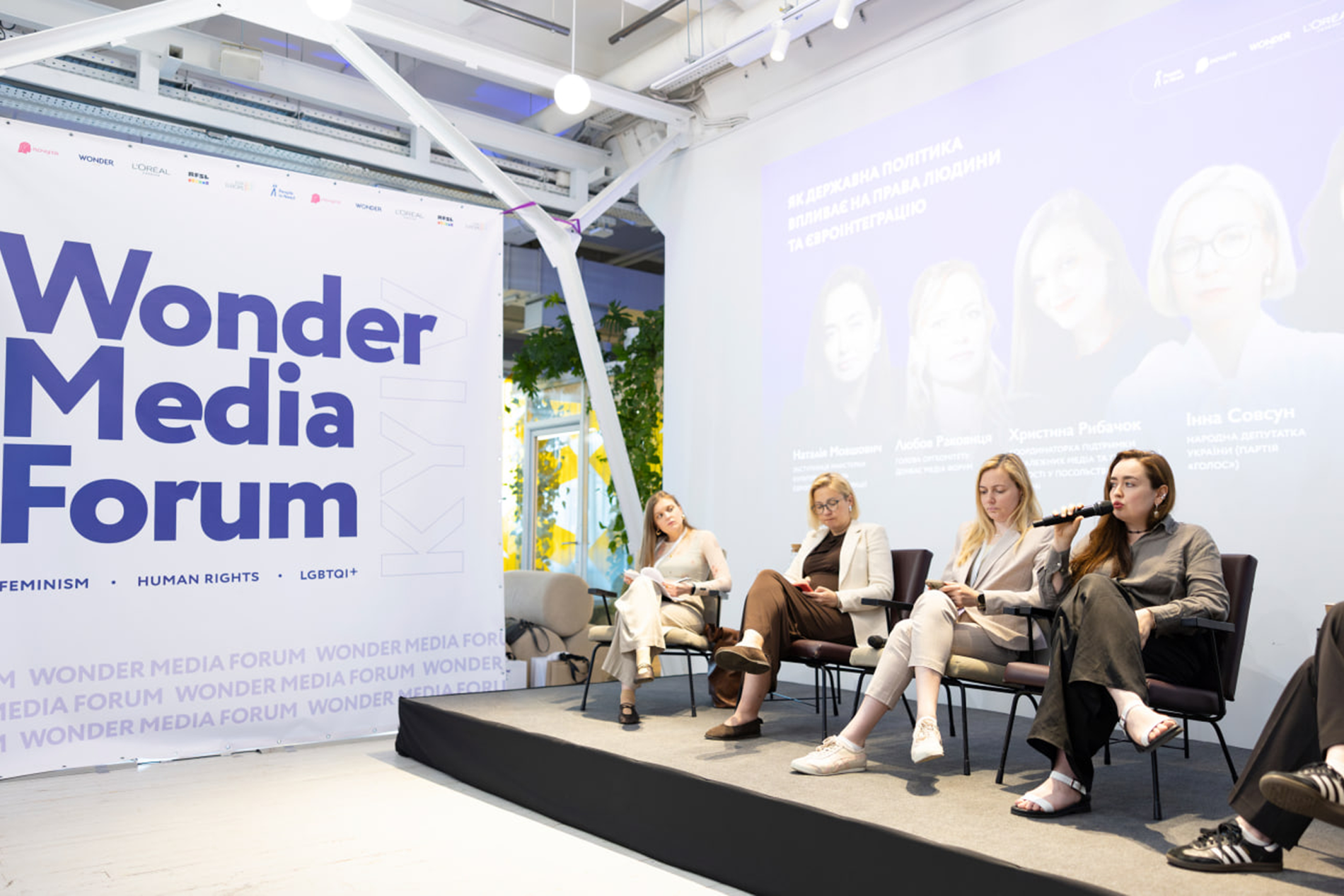

The first question, addressed to Inna Sovsun, concerned Ukraine's fulfilment of its European integration commitments in the spheres of human rights, LGBTQ+ communities, and anti-discrimination policy. The MP gave a critical assessment of the current pace of legislative work:
«As things stand in parliament right now, the picture is roughly this: we pass the laws we have to pass in order to secure funding here and now. We have already missed the deadlines on a number of European integration commitments, yet they never make it onto the agenda. One gets the impression that European integration remains a fine political slogan rather than the everyday logic of parliament's work. We have declared our desire to become part of the European Union, but that requires carrying out concrete tasks. Sadly, today we see no systematic effort in that direction».

One gets the impression that European integration remains a fine political slogan rather than the everyday logic of parliament's work.
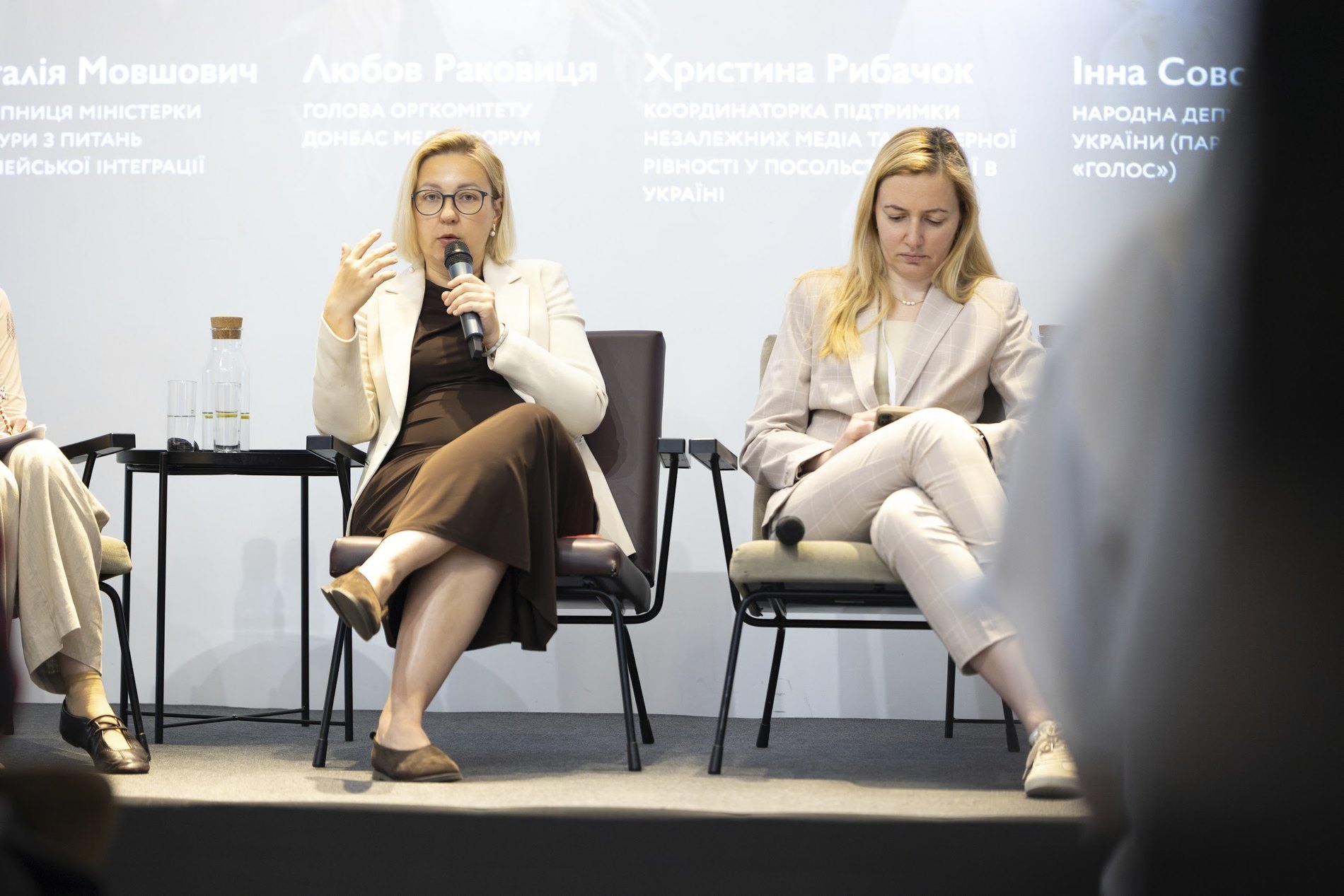
The conversation then turned to the role of culture in the process of European integration. Nataliia Movshovych stressed that culture is not an appendage to policy but its very foundation. She spoke of the Ministry of Culture's new approaches, which treat culture as a component of national security and a cornerstone of democratic values:
«The foundation of the European Union lies in shared values — respect for human dignity, freedom of speech, equality of rights and opportunities. It is these values that define the substance of laws and policies.
Culture helps us preserve our identity and shape it. It helps us remember, to record our history, and it tells us about our values. What we believe in, how we imagine our future – all of this is shaped by culture. We talk about this a great deal at the Ministry of Culture, because Ukraine is one of the first countries to have recognised culture as a base of national security».
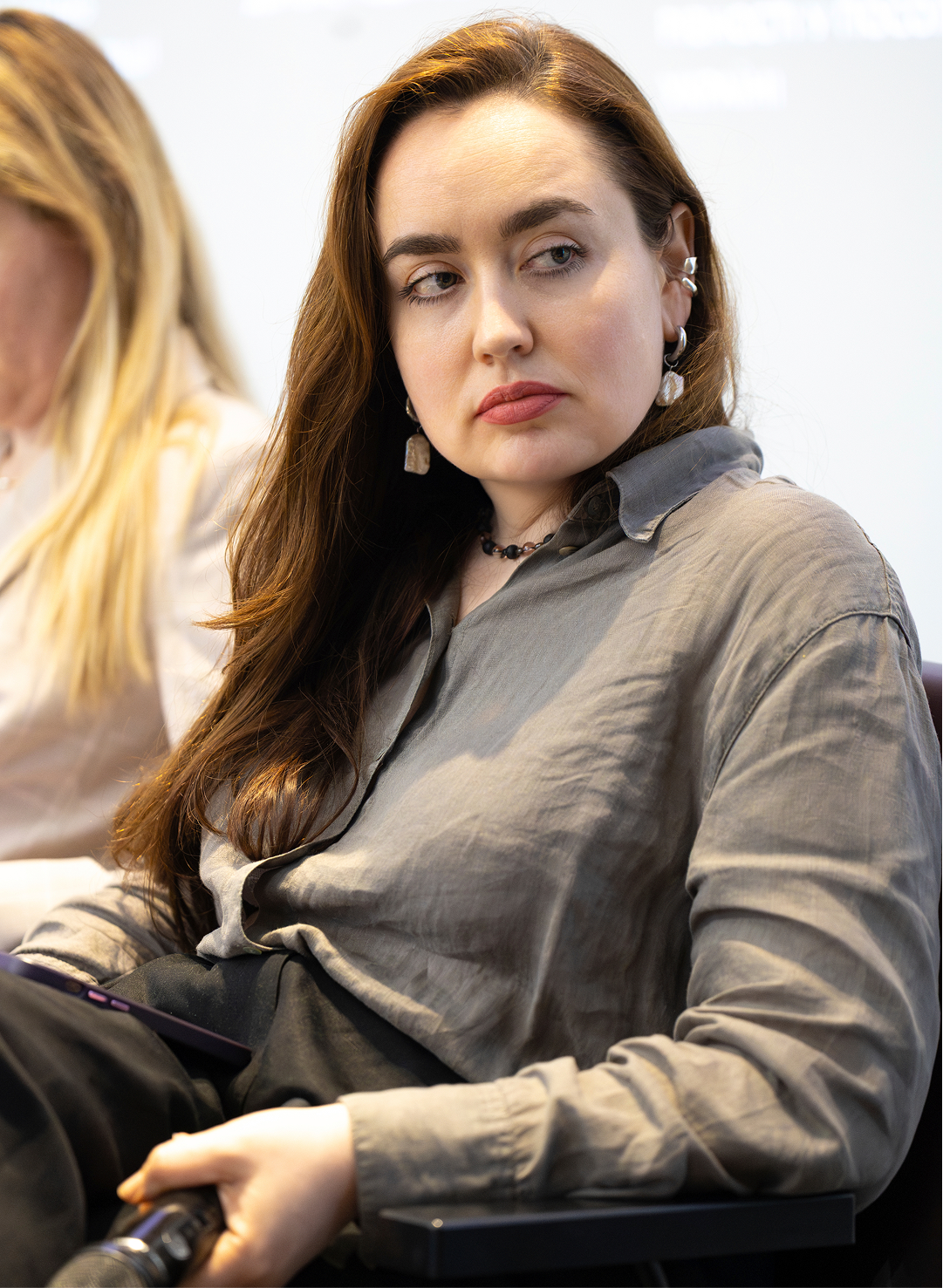
Culture helps us preserve our identity and shape it. It helps us remember, to record our history, and it tells us about our values.
The discussion then moved on to international experience. The moderator turned to Khrystyna Rybachok and asked her to share Swedish practices in the field of equality and LGBTQ+ rights that could prove useful for Ukraine.
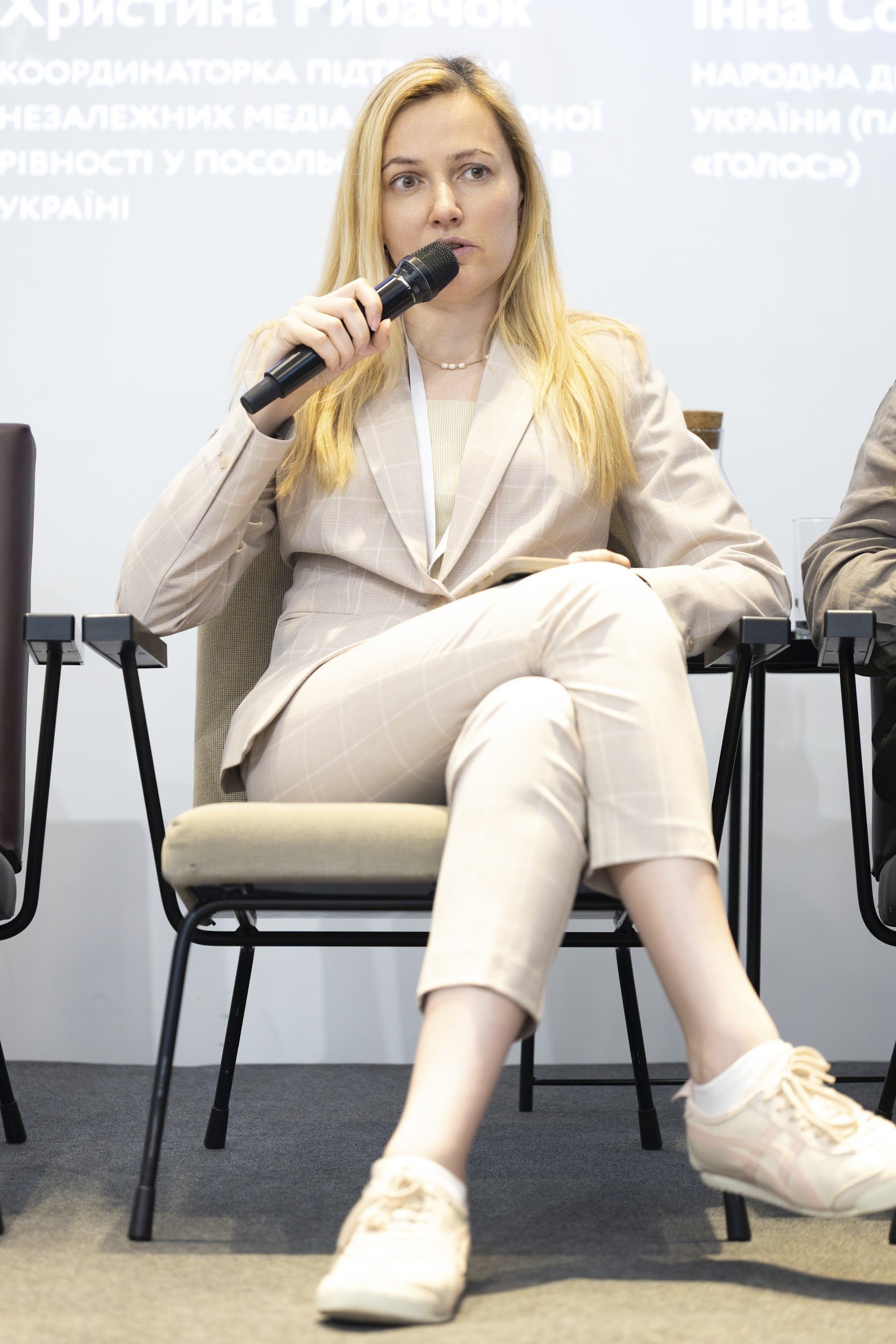
«In Sweden, human rights, gender equality, and other fundamental rights are protected first and foremost at the level of institutions and state policy. There is a clear understanding of how these rights are to be guaranteed. At the same time, Sweden regards human rights as a sphere of long-term investment. The entire social system is built on the principle that such investments bear fruit years later. That is precisely why we support projects in Ukraine that help draw women into the labour market, develop the network of kindergartens, retrain workers, and create equal opportunities.
It seems to me that we ought to broaden our discourse on human rights, because if society is not sensitive to the vulnerability of women, to the vulnerability of members of the LGBTQ+ community, then how can we be sensitive to other vulnerable groups?»

If society is not sensitive to the vulnerability of women, to the vulnerability of members of the LGBTQ+ community, then how can we be sensitive to other vulnerable groups?
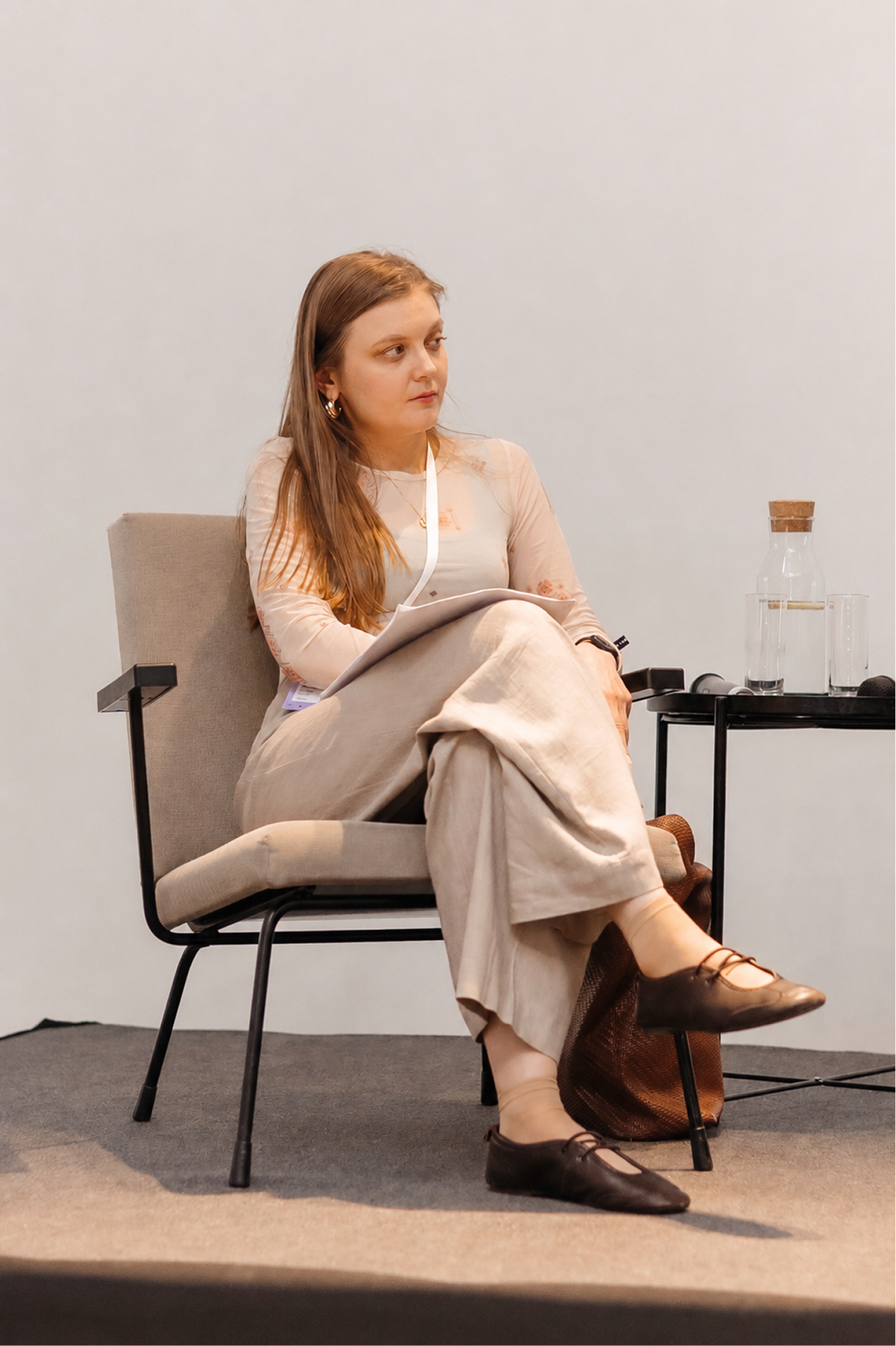
A separate part of the discussion was devoted to the role of the media in spreading knowledge about European integration and the rights of LGBTQ+ communities across Ukraine's regions. Liubov Rakovytsia emphasised that it is journalists who must translate European policies into language that local communities can understand.
«Through the media, we can gather and convey to those in power the needs and important issues that may not be immediately apparent. The media often act as a mediator between the authorities and civil society. These two sides – government and civil society – must hear one another, understand one another, and engage in dialogue.
Another vital role of the media is to explain to people what the authorities are adopting and what legislative changes are taking place, while on the other hand gathering people's views – giving a voice to those who have an opinion and who see what changes are being made or planned. And if we are speaking of human rights, gender equality, and other vulnerable groups, then these are the themes it is important to bring into the light».
The media often act as a mediator between the authorities and civil society. These two sides – government and civil society – must hear one another, understand one another, and engage in dialogue.
Inna Sovsun noted that the difficulties with European integration also arise because Ukrainian sociology reflects the reality of 2026, whereas the composition of parliament has remained unchanged since 2019.
Answering a question about the prospects for civil partnerships, the speaker observed that the topic has already become part of Ukraine's European integration commitments and will therefore be increasingly difficult to ignore. The member of parliament of Ukraine also stressed that advancing the themes of equality and human rights calls for active cooperation between journalists and politicians:
«As things stand today, I am absolutely convinced that the people whose rights are most curtailed are service members. Equality is not only about granting rights to the categories we usually speak of within a discussion like this one. It is important to think of those groups that have become vulnerable in Ukraine as a result of the war. The families of service members are an enormous category – millions of people who today are scarcely spoken of as a distinct group. Yet these are people who live through the hell of war under entirely different conditions than most of the population».